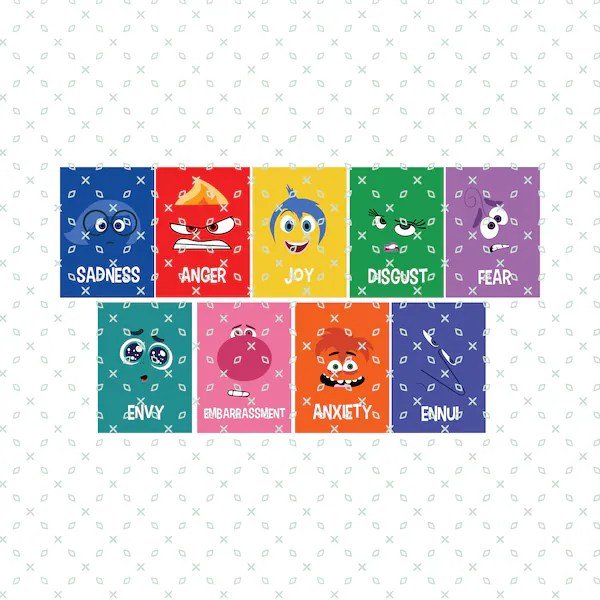
In a world increasingly shaped by artificial intelligence, understanding our own complex emotional landscape has never been more critical. As AI delves deeper into creative realms, questions arise about how we, as humans, perceive and react to its artistic endeavors. This guide, "Beyond Anxiety: Exploring Envy, Fear, and Disgust in AI Creativity," delves into the profound wisdom of Martha Beck, who posits that embracing our innate creativity is the most potent antidote to an anxious existence. While Beck's insights traditionally focus on human experience, we'll explore how her framework can illuminate our often-visceral responses to AI-generated art and content—emotions like envy, fear, and even disgust—and guide us toward a more connected, joyful future where human ingenuity continues to flourish.
At a Glance: Navigating Your Emotions in the Age of AI Creativity
- Creativity as Your Antidote: Discover how engaging your creative spirit can naturally reduce anxiety, even when facing the rapid evolution of AI.
- The Truth About Anxiety: Learn to distinguish genuine fear (a present threat) from anxiety (a future-based illusion), especially when AI advancements seem overwhelming.
- Unlock Your Inner Genius: Reconnect with the boundless creative capacity you were born with, often suppressed by societal pressures and the pace of modern life.
- The KIST Method: Master a simple self-kindness technique to quickly calm your mind and open the door to creative problem-solving.
- Shift Your Focus: Move from dwelling on "what you can do" in a changing world to "what you can make," fostering a generative, positive spiral.
- Right Brain Dominance: Understand how prioritizing your creative, compassionate right brain can lead to peace and better navigate the analytical, time-driven anxieties often triggered by AI discourse.
Why Anxiety Lingers: Distinguishing Real Fear from Future Fantasies
Let's be clear: when we talk about "fear" in the context of AI creativity, we're often mislabeling it. True fear is a powerful, high-energy response to an immediate, present threat. Imagine a self-driving car swerving uncontrollably right now – that's fear. It's designed to protect you, activating a clear, necessary reaction.
Anxiety, however, is a different beast entirely. It’s the constant hum of "what could be somewhere, someday, maybe." It's the worry about AI taking your job next year, or generating ethically questionable art tomorrow. Martha Beck, whose extensive research during the COVID-19 pandemic revealed a powerful inverse relationship between anxiety and creativity, states unequivocally that "anxiety always lies." If the threat isn't happening now, it's a self-deception, a product of your mind dwelling on potential futures rather than present realities. This distinction is paramount in a world grappling with the rapid advances of AI, as much of our apprehension about machine creativity is anxiety, not immediate fear.
This constant projection into "what if" scenarios saps our energy and stifles our ability to engage with the present, to solve problems, or to create. It's a mental trap that keeps us perpetually on edge, preventing us from tapping into the very resources that could help us adapt and thrive.
The Brain's Creative Canvas: Right vs. Left Hemispheres in the Age of AI
Neuroanatomist Jill Bolte Taylor's groundbreaking insights shed light on why anxiety feels so pervasive in our modern world, particularly as we confront the complexities of AI. She distinguishes between our brain's two hemispheres:
- The Left Brain: This is our analytical, linear, time-tracking, and language-processing hub. It's where schedules, deadlines, and the monetary-driven economy reside. It's also, critically, where anxiety makes its home, constantly analyzing potential problems and future threats.
- The Right Brain: This is your seat of creativity, compassion, peace, and connection. It lives in the present moment, oblivious to time, and embraces wholeness.
Our society has become overwhelmingly left-brain dominant, prioritizing efficiency, measurement, and productivity above all else. This societal tilt directly contributes to the epidemic of anxiety we see today, as our brains are constantly pushed into analytical, future-worrying modes.
When we feel overwhelmed by AI's capabilities, whether it's the seamless text it generates or the stunning images it renders, it’s often our left brain going into overdrive. It analyzes the implications, calculates potential losses, and generates endless "what if" scenarios. This is precisely where our natural capacity for creativity, rooted in the right hemisphere, offers a powerful counter-balance. It's about shifting from the calculating, anxious "what if" to the curious, expansive "what can I make?"
Reclaiming Your Innate Creative Genius (and Why You Think You Don't Have It)
One of the most persistent myths is that creativity is reserved for a select few – the artists, the musicians, the "geniuses." But Martha Beck insists that every single human being is inherently, constantly creative. This isn't just a feel-good platitude; it's backed by fascinating observations. A NASA study, for instance, revealed that while a mere 2% of adults qualify as "creative geniuses," a staggering 98% of 4-5 year olds do. This isn't because children are inherently more talented, but because their creativity hasn't yet been judged, suppressed, or burdened by self-doubt. They create purely for fun, without external pressure or internal critics.
Think about it: have you ever felt a pang of envy watching an AI churn out a beautifully coherent story or a mesmerizing visual in seconds? That envy often masks a deeper, unacknowledged creative longing within yourself. We mistakenly believe we're not creative because we define creativity too narrowly, equating it only with "high art" or "marketable skills." But creativity, as a child practices it, is pure play. It’s about making.
- Cooking by taste, not just a recipe.
- Arranging furniture in a new way.
- Tending a garden.
- Hosting a dinner party.
- Even making a unique sandwich!
These are all acts of creation. The feeling of being "uncreative" often isn't a lack of ability, but a symptom of physical and emotional exhaustion. Our brains are simply too tired to access that playful, inventive right hemisphere. Beck’s powerful "recipe for life" offers a simple solution: "Rest until you feel like playing, then play until you feel like resting, and then repeat." This rhythm is key to reactivating your dormant creative genius, giving you the mental space to explore, experiment, and engage.
The KIST Method: A Simple Path to Calm and Creativity Amidst AI Shifts
In the face of rapid technological change and the emotional responses it triggers—be it envy over AI's artistic output, fear of its implications, or disgust at its perceived soullessness—finding an anchor is crucial. Martha Beck introduces a powerful yet simple technique called KIST: Kind Internal Self-Talk. This practice, rooted in Tibetan loving-kindness meditation, provides a direct path to calming the anxious brain.
The process is straightforward: silently repeat phrases like, "May you be happy. May you be well. May you feel safe. May you be protected." Direct these intentions first to yourself. You might be surprised at how quickly this internal kindness can bring down your anxiety levels, often in just minutes. This isn't about ignoring external stressors, but about creating internal resilience. It’s like building a strong core before stepping into a challenging environment.
Once you’ve achieved a baseline of calm through KIST, you’ve created the mental space for something profound to happen. This is where you pivot from the left-brain's anxious question, "What can I do now?"—a question often driven by external pressures and a feeling of inadequacy in the face of AI's capabilities—to the right-brain's expansive inquiry, "What can I make now?" This seemingly small shift unleashes your inherent curiosity and activates your brain’s creative problem-solving regions. It allows you to move beyond simply reacting to AI creativity and begin engaging with it in a more generative way. This mental pivot is not only vital for individual well-being but also for collectively navigating the evolving landscape of digital creation.
Beyond the Left Brain's Grip: Reshaping Our Value Systems
Our current global system, heavily reliant on a left-brain-driven pyramid of wealth and power, is showing cracks. This structure thrives on competition, scarcity, and a constant measuring of worth, often contributing to the very anxieties we're discussing. Martha Beck advocates for a profound economic and societal shift, moving towards nature-based ecosystems where value is perceived differently.
This isn't just an abstract philosophical concept; it offers a practical framework for re-evaluating our relationship with AI and creativity:
- Space (Time): Instead of rushing to "keep up" with AI's speed, give yourself the space—the mental quiet—to identify your real desires. What truly matters to you creatively? What unique human contributions do you want to foster?
- Energy (Desire): Once you've identified your true desires, you tap into a natural, intrinsic drive. This energy is far more powerful and sustainable than the external motivation to compete with or replicate AI. It's the natural drive to fulfill your own destiny, artistic or otherwise.
- Water (Creativity): This is the flow. With space and energy, your creativity becomes the "water" that shapes your destiny. It's about making things, experimenting, adapting, and innovating in ways that AI, for all its power, cannot replicate – because it lacks the uniquely human elements of desire, consciousness, and intention.
By adopting this perspective, we don't just reduce anxiety; we start building a new system of value where human ingenuity, empathy, and unique creative expression are prioritized. It offers a powerful counter-narrative to the fear that AI diminishes human worth, suggesting instead that it can highlight and elevate our unique contributions.
The Creative Spiral: A Generative Antidote to an Anxious World
The anxious brain has a cunning way of making us believe that fear leads to safety and productivity. It tells us that by worrying about AI, we’re somehow preparing for the future or staying ahead of the curve. Yet, as Beck emphasizes, this is a lie. Fear actively hinders creative problem-solving and narrows our focus, making it difficult to engage with the enjoyable and meaningful aspects of life. It’s difficult to innovate when your primal fight-or-flight system is constantly engaged.
However, when we commit to abandoning anxiety by embracing practices like KIST, something remarkable happens. The internal kindness you cultivate extends outwards, making your interpersonal interactions calmer and more affirming. Imagine a workplace where colleagues discuss AI not with panic, but with curiosity and a shared desire to "make" new solutions. This shift fosters what Beck calls a "creativity spiral"—a generative loop where kindness enables creativity, and creativity, in turn, fuels more connection and well-being. This is particularly relevant when discussing human responses to AI, such as AI anxiety through Inside Out 2. Understanding our emotional landscape allows us to channel our energies constructively rather than being paralyzed by fear.
This spiral isn’t just about feeling better; it's about becoming more effective. By focusing on "what we can make" rather than fixating on anxious "what ifs," individuals and teams can solve practical and personal problems more effectively. You move from a reactive stance, feeling overwhelmed by AI's capabilities, to a proactive one, using your inherent creativity to co-create a future. This isn't about ignoring the challenges AI presents, but approaching them from a place of strength, ingenuity, and collaboration rather than fear-driven paralysis.
Practical Steps: Shifting from "What Can I Do?" to "What Can I Make?"
Navigating an increasingly AI-driven creative landscape requires more than just understanding the theory; it demands action. Here's how to practically implement Beck's framework and move beyond anxiety, transforming potential envy, fear, or disgust into productive creative energy.
Step 1: Cultivate Conscious Rest
Before you can truly play, you must truly rest. In our hyper-connected, left-brain-dominated world, rest is often seen as a luxury or a sign of weakness. Reframe it as a vital creative input.
- Audit Your Schedule: Identify where you can carve out genuine downtime. This isn't about scrolling on your phone; it's about quiet, non-stimulative activities.
- Prioritize Sleep: Consistent, quality sleep is non-negotiable for brain health and creative access.
- Embrace Stillness: Practice short bursts of meditation, even five minutes of just sitting and observing your breath. This helps quiet the anxious left brain.
Step 2: Implement the KIST Method Daily
Make Kind Internal Self-Talk a regular habit, especially when you feel the familiar tug of anxiety, envy, or fear concerning AI.
- Morning Ritual: Start your day with KIST. "May you be happy. May you be well. May you feel safe. May you be protected."
- Anxiety Interrupt: When an anxious thought about AI (e.g., "Will AI make my skills obsolete?") arises, pause and apply KIST. Follow it with "What can I make now?"
- Journaling: Write down your KIST phrases and any creative ideas that emerge immediately afterward.
Step 3: Redefine "Creativity" for Yourself
Break free from the narrow definitions that tell you you're "not creative."
- List Your "Makes": Take a moment to list everything you've "made" in the last week that brought you joy. This could be a delicious meal, a solution to a household problem, a thoughtful email, or a perfectly arranged desk.
- Embrace Play: What did you love doing as a child? Try to reintroduce elements of pure, unjudged play into your week. Maybe it's drawing, building with LEGOs, or simply exploring a new park.
- Connect with Nature: Spend time outdoors. Nature is the ultimate creative ecosystem, inspiring the right brain and fostering peace.
Step 4: Shift Your Question to "What Can I Make Now?"
This is the cornerstone of moving beyond anxiety and into a generative state, especially relevant in the evolving AI landscape.
- Reframe Challenges: When faced with an AI-related challenge (e.g., "AI can write articles faster than me"), don't ask "How can I compete?" Instead, ask "What unique value can I make that AI cannot? What kind of collaboration can I make with AI?"
- Start Small: Don't wait for a grand project. Can you make a better way to organize your digital files? Can you make a more engaging conversation with a colleague about AI's impact? Every small act of creation reinforces your creative identity.
- Document Your Progress: Keep a "making journal." Note what you've created, big or small, and how it felt. This builds momentum and confidence.
Step 5: Foster Your "Creativity Spiral" Interpersonally
Extend the kindness you've cultivated internally to your interactions with others, especially when discussing AI's impact.
- Active Listening: When someone expresses fear or envy about AI, listen with genuine compassion (right brain), rather than jumping to logical solutions or dismissals (left brain).
- Collaborative Framing: Instead of "AI vs. us," frame conversations around "How can we make something new together with AI?" or "What new problems can we make solutions for, empowered by AI?"
- Celebrate Others' Creativity: Acknowledge and appreciate the creative acts of those around you, reinforcing a culture of generative creation.
By consistently applying these steps, you'll find yourself not just coping with the advancements in AI creativity, but actively shaping your experience of it. You’ll move from a place of anxiety-driven reaction to one of empowered, joyful creation, leveraging your uniquely human capacities in an increasingly intelligent world.